Showing posts with label Weed Control. Show all posts

Wednesday, January 2, 2019

Prime's Clippings January 2019


Daffodils- Coming Soon!


Happy New Year!


As we put a tumultuous 2018 in our rear-view mirrors, here’s hoping the New Year will bring a fresh start and renewed optimism for a great year.  We appreciate each and every one of our clients and the opportunities you gave us in 2018 and look forward to another great year serving you.

The hard freeze we got on the morning of Jan. 1st can be a good thing for reducing bug populations, but overall we have had abnormal rainfall and mild temperatures. Unfortunately this sets us up for a bad winter weed situation with big patches of henbit and winter weeds already growing rampantly along the roadsides (and in our flower beds!) The agenda for January will be finishing leaf clean ups, weeding beds, and starting broadleaf weed applications.

Fire ants have been more noticeable too because the saturated soils make them mound at the surface. That will be another spring challenge to look forward to.

The bright side? You don’t have to water pansies when we get weekly rains, the wildflower show this spring should be a good one, and area lakes are full. Already lots of things to look forward to in 2019!


Winter Chores


Leaves: Most of our leaves are down and we should finish the last of our leaf clean ups in early January. Some trees like Shumard oak are still holding their leaves but should finish dropping any day now. Live oaks drop in Feb - March, giving us another round of leaf clean-ups in late winter. If we haven’t gotten to yours and at any time this winter you need a clean up please call to let us know.

Remember too that we clean gutters! Let us know if we can help you with that!

Weeds: Our first round of Spring pre-emergent weed control will start in January-February. This application and the next one in March also contain a broadleaf weed killer for any dandelions, henbit, or chickweed that have come up over the last few months. Even when they are caught early it still takes two applications to kill them. Please note that grassy winter weeds like wild rye and rescue grass are very difficult to control. They require spot treatments with specialty herbicides which take several weeks to work.

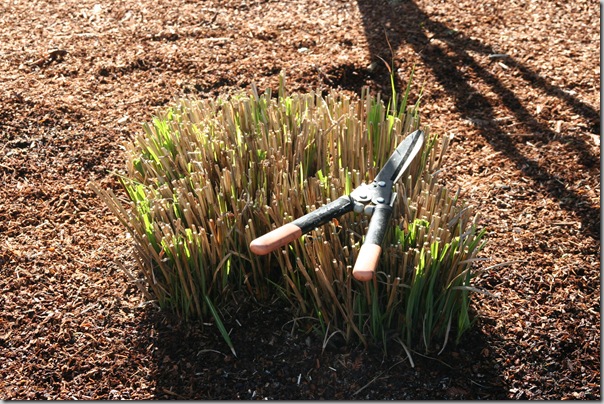
Pruning: Most perennials are dormant now and need to be cut back. Ornamental fountain grasses like Maiden and Muhly grasses look nice for awhile after dormancy but will start to shed and get messy. We will start cutting those back in January as well. Roses should be cut back in February. Winter is also the time to make drastic cuts if you are trying to reduce the size of overgrown shrubs.

Some specifics on pruning: Many perennials die back almost to the ground and should be cut very low. You can usually tell—rudbeckias, salvia leucantha, etc. Woody perennials like the popular salvia greggi benefit from a hard pruning of a third or more. Hydrangeas are deciduous, not perennials. Those stems may look brown but do not prune them unless you just want to make them smaller. Doing so will remove next year’s flowers.

Groundcovers: Our liriope and Asian jasmine groundcovers should be cut back before they start to put out new growth in spring. With our unpredictable winters it is hard to pick the best time. We normally wait until the end of January to avoid exposing them to temperatures in the teens.

Transplanting: January and February are good months for transplanting shrubs and dividing most perennials. However, it is not always practical to transplant large shrubs or trees for several reasons: There are often sprinkler pipes or other plants in close proximity, making it difficult to excavate an appropriate root ball. There is always a higher mortality with transplants than with container plants, and the labor for transplanting may equal or exceed the cost to install a new plant. So in most cases, transplanting trees or shrubs is only practical as a do it yourself chore.

Tree Trimming: Limb structure is easiest to see when trees are dormant, so winter is a good time to clean up your trees. Remember in Arlington that tree limbs by city code must be kept 14 ft above the street. This is a good idea regardless of where you live, so your limbs are not damaged by delivery trucks and they do not impede emergency vehicles like fire trucks. The rains this fall will add a lot of growth come spring so plan on having to remove some low limbs this year.

Planting: Fall and winter are great seasons for planting new shrubs and trees to avoid moisture stress and get the root systems established before summer! Exceptions would be palms or tender zone 8 plants.

Planning: And if you are a spring gardener, start lining up your improvement plans now! We routinely book out for several weeks starting in March. And if you are a fellow veggie gardener, winter is when we peruse seed catalogs for inspiration and new varieties to try. In fact, it is time to plant onions now and only a month away from planting cabbage and broccoli seedlings!


Drainage Solutions


The past few months have brought numerous flooding events throughout Texas. Many homes and properties that have less than optimal slope can benefit from drainage modifications.

The first goal is to create a slope that carries water away from structures or problem areas on the surface. It may involve regrading, retaining walls, or swales.

Next is to capture concentrated water from roofs or concrete areas and redirect it, usually using drain pipes.

You may also need catch basins connected to pipes in strategic areas to capture more surface water, and lastly a French drain system of perforated pipe in gravel can be used to dry out low areas that tend to stay wet.

And if your problem area is lower than the surrounding areas, a sump pump system may be incorporated to move the water.

Each situation is unique and may require one or more of these solutions. If you are dealing with drainage problems, give us a call for a free evaluation and estimate.


A Word About Crape Myrtle Pruning


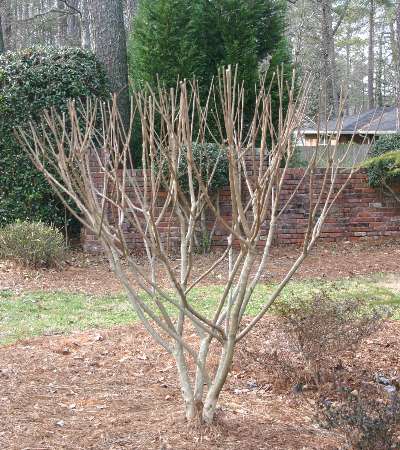
Crape myrtles are traditionally pruned in January-February.

The horticulturally correct method is to treat a standard tree-form crape like any other tree. Prune entire branches to allow more sunlight into the canopy and reduce overcrowding, remove low branches that are in the way, remove water sprouts and suckers, and strip the seed pods if their appearance bothers you or cut tips of limbs no larger than a pencil.

However, many properties and some homeowners want their crapes kept within a certain size range and this limit requires “topping” or more drastic cutting of the crowns. Since we have to administer both techniques, be sure to let us know if you have a preference.


January Chores


  • Finish leaf clean-ups
  • Mulch beds
  • Trim crape myrtles
  • Make major pruning changes to overgrown shrubs
  • Prune low limbs on trees
  • Prune dormant perennials and fountain grasses
  • Plant and transplant trees and shrubs
  • Apply pre-emergent and broadleaf herbicides
  • Change water and clean water gardens and koi ponds

Our goal is to fulfill the needs of the customer by providing timely, quality services and products.
Thanks for your business!

Monday, October 1, 2018

Prime's Clippings October 2018

Eryngo leavenworthii
Leavenworth’s Eryngo
Often overlooked, but beautiful summer wildflower


Drought and Bugs, Worms and Floods- Oh My!


What a strange end of summer and beginning of fall!  After going through record heat and dry conditions and swarms of chinch bugs attacking our lawns, we only thought we were making a normal transition to fall as temperatures subsided and rains moved in. But then the rains set records and an army of army worms took the metroplex by storm.
 
After receiving over a foot of rain and making this the wettest September on record, we had a cool front come in on September 26th. That made for some pleasant  temperatures and more scattered rains forecast into the first week of October. Last year we had a fairly hot and dry October. Perhaps that will not be the case this year and we will have a normal fall.  Normal weather in Texas? Just for a month or two?  We’ll see.

Along with milder weather October brings a modest list of gardening chores. Turf still needs to be mowed and leaves mulched up, flowers will soon need to be changed out, bait products for fire ants should be applied now, pre-emergents and fertilizer applied, and tired summer perennials tidied up. But outdoor chores are always easier on a pleasant fall day. With all the strange weather and insect infestations there are some additional October chores to consider this year.

Read on for more tips and observations.


Pansy Time is Approaching

It is almost time to start changing out our annual color beds to winter color. We start around mid October as temperatures moderate and should have all our properties planted by mid November.

Pansies and ornamental kale or cabbage are the primary choices. They will last through most any of our winters, though cabbage may suffer some burn when we drop below 20 degrees. There are other fall flowers that can be planted now including mums, snapdragons, dianthus, alyssum, and a few others, but only the pansy will bloom throughout winter. Violas are equally hardy and just look like a miniature version of a pansy. They may even have a higher density of flowers than the large blooming pansies but stay more compact. They can also be used as a border.

Pansies in particular benefit from fertilizers containing organics like blood meal and bone meal. When first planted and during our crazy winter warm spells, aphids can attack pansies, and some years cutworms may be an issue in the first few weeks.

Pansies come in a great variety of colors both with and without a face, and may have two or more colors on each bloom. Please email or call our office if you would like a catalog via email of our winter color choices. Always plan on at least 2 options as growers will run out of certain varieties during the planting season, and place your requests as soon as possible.


At War With the Armyworm

Every season it seems conditions will be optimal for some pest or disease to flourish. This year we had prolific infestations of chinch bugs in St. Augustine lawns, and then came the army worms in Bermuda. Armyworm infestations have been so widespread that they have even made the local television news reports. There are always a few armyworms in the lawns, but this year there were some lawns hidden in the armyworms.

Armyworms Attack!The armyworm is the larvae of a small brown moth that lays eggs at the base of a suitable host plant. When they reach maturity, the worms burrow into the soil to pupate into moths that fly out, mate, and start the cycle again. There are several species of armyworms common to our area but the fall armyworm is the one most likely to damage our turf. They can have several generations at about 28 day intervals, and cool weather may extend the life cycle for several months. High rainfall events in August and September may increase populations. Remember those big rains in early August? For the last month or so they have been feeding voraciously on Bermuda lawns, stripping the leaves and turning them to brown stubble. They may hide in the thatch during the day and snack all night. And they may move on to other plants after finishing off your lawn.

In years like this where worms and their damage is abundant, it may be prudent to treat with an appropriate insecticide. And there is also an effective organic control, BT, Bacillus thuringiensis. A second treatment may be necessary whether using organic or a chemical insecticide. Most chemical insecticides are contact poisons, meaning they have to come in contact with the insect to kill them. If another generation of worms emerge a couple weeks after the initial treatment there may not be enough residual chemical to be effective. And the BT product must be ingested by the worm. After a good rain the BT may wash off and a second hatch will not be affected. So watch for reinfestation after an application.

This has certainly been an unusual year for this pest. They do not normally require treatment. And worse case scenario, it is unlikely that your Bermuda will suffer permanent damage. We are only a couple months from dormancy. The worms are only eating the blades, not the roots. The side effect though may be increased winter weeds invading your lawn due to the thin cover. And the fact that we normally enjoy another two months of nice green lawns up until our first freeze is another reason to consider treating. Even if you have not noticed the inch to inch and a half mature worms feeding, you may have smaller instars just getting started that are not apparent yet. The smaller worms cannot strip the entire blade. They just chew an outer layer, leaving a frosted appearance to the grass.

Considering that there are organic and chemical treatments available, and that there will be detrimental effects from a heavy infestation, it may be wise to consider treating your lawn.


Drainage Solutions


The heavy downpours of the last two months have created numerous drainage problems for property owners. If you have incurred drainage problems there may be one or more solutions to consider.

The first defense against flooding is simply making sure that your ground or concrete areas slope away from your building. Swales are also used to help create positive flow if you are in a flat area or at a low point. Over time, positive flow and swales may change due to soil movement and erosion and may need to be regraded.

The next consideration is to capture roof water in pipes and carry it to the street or a low point where it can exit. Surface drain boxes, or catch basins, may be added to capture pooling water on the surface as well. If there are areas that stay boggy after irrigating or rain, a French drain may be the answer. A French drain consists of perforated pipe in a gravel filled trench that captures water in the soil. French, roof, and surface drains are often combined into one system. These are all called gravity drains, as they are designed to flow downhill.

The last option is a sump pump system. These are usually only employed when there is no low point on the property to drain your water to and a gravity drain will not work. The drains are connected to a basin buried in the ground and a pump removes the water. 

If you are dealing with drain problems and would like an evaluation and estimate, please let us know.


October Chores


  • Mow less often as the lawn slows down
  • Water once a week as needed
  • Treat fire ants—bait products work well in Fall
  • Overseed rye and fescue grass
  • Apply weed pre-emergent and fertilizer
  • Sow wildflower seeds for spring


Spencer Young
Manager
Pool and Water Garden Services


Our goal is to fulfill the needs of the customer by providing timely, quality services and products.

Thanks for your business!

Thursday, March 1, 2018

Prime's Clippings March 2018


The beautiful bloom of the flowering quince

Winter Wrapping Up with Heavy Rains


A pretty decent winter is wrapping up with several days of cold torrential rains after 3 months of fairly dry conditions. The cool evenings look to persist and the likelihood of a March freeze still holds true for another 20 days. You might be ready for spring, but plant tomatoes at your own risk!

The recent rain was sorely needed, but just wait for a few warm sunny days and weeds will explode onto the scene. Pre-emergent applications from the fall were pretty effective this year. We are applying broadleaf control for plants like dandelion and henbit now and applying pre-emergent to reduce the upcoming summer weeds like crabgrass. Remember though that any of these winter weeds that have begun flowering will take at least 2 weeks and 2 applications to control.

Our crews are busy wrapping up the spring cut-back of roses, perennials, and grasses, and it is already time to fire up the mowers and get your lawn cut down a few notches.

So here is our annual reminder:

If you are not on a year-round contract, please let us know when you are ready for mowing. If you did not place your service on hold over winter, we will start mowing in the first two weeks of March.

We don’t want you to wonder where we are, but we also don’t want to start before you are ready.

There may be a little freeze damage this year to sensitive plants, but nothing has really stood out. We recommend mowing down Asian jasmine and liriope groundcovers now to remove brown tips and give them a fresh start.

Now is the time for fire ant control that is guaranteed all season, and dormant oil and systemic pesticide applications for the crape myrtle scale that is devastating crapes must be made now!

Ready or not, spring is on the way!


Rainy Weather Promises a Bumper Crop of Fire Ants


Fire ants are the most annoying pest of all. They do millions of dollars in damage each year to electrical equipment and agriculture, and swarm out when disturbed to inflict painful bites on children, pets, and unsuspecting gardeners. Fire ants can migrate miles when swarming and tunnel up to 20 feet deep! Eradication is not possible, but you can fight the good fight.

We offer two fire ant programs. One is the Texas Two Step program recommended by Texas A&M. We broadcast a bait product throughout your property and use a contact insecticide on visible mounds. This will need to be done 3-4 times a year. Baits offer the lowest environmental impact and cost, but are slow acting and do not guarantee control.

We also offer a season-long product that we apply over the entire property. It will eliminate existing colonies and create a barrier to prevent new swarms from moving in. When done in March—April we guarantee control for 8 months!

Prices start at just $20 each for the Texas Two Step treatments when done with your regular lawn applications and $155 one time for the guaranteed annual service. 


Pond Clean-out Season Begins


String algae is the bane of pond owners. As much as we love our beautiful water features, we equally despise string algae. Since aquatic plants have not come out of dormancy and cool water temperatures reduce the bacteria colonies in your filters and gravel, conditions are optimal for the growth of string algae.


Algae is a natural, healthy organism in any natural water feature, but it can bloom suddenly in a matter of days and become unsightly. We start our annual clean outs this month, changing the water, washing down the gravel and removing the sludge, cleaning the filters, trimming and thinning out water plants, and changing the water to get your pond started on the right foot for spring. Give us a call to book your spot for your spring clean out!

A Crape Myrtle Mystery


I observed these strange patterns covering several trunks on a crape myrtle. Was this crape abducted and tortured by aliens? Did a drunken tattoo artist mistake a crape myrtle for an arm?

If you read my article on crape myrtles last month and note the blackened bark in this picture, you can already guess the answer. These are the marks left from where scale insects had attached themselves and fed on the crape. They fell off in the hard freezes leaving these strange striations.


March Chores


  • Mow 1-2 notches lower
  • Mulch beds
  • Make last major pruning changes to overgrown shrubs
  • Prune low limbs on trees 
  • Prune dormant perennials and fountain grasses
  • Plant and transplant trees and shrubs
  • Apply pre-emergent and broadleaf herbicides
  • Change water and clean water gardens and koi ponds


Our goal is to fulfill the needs of the customer by providing timely, quality services and products.
Thanks for your business!


John Hoover
General Manager

Thursday, February 2, 2017

Prime's Clippings February 2017


75 Degrees? Winter Must Be Over!


Ha! This is the exact headline I used last year and the temperature was identical today! The differences so far this winter have been the early hard freeze and the vicious follow-up freeze that did some damage to some of our borderline zone 8 plants like pittosporum and ligustrum, but it’s too early to tell if there is permanent damage just yet.

We are continuing to stay somewhat dry in spite of a couple flooding rains, and way too many warm days to call it much of a winter. Still, we have a long ways to go before we are out of the freeze zone. If we get more rain the weeds will explode onto the scene in February, and trees may start to bud early.

We are busy putting out our first winter weed application, but remember, one application won't cure all your weed problems! We recommend our 7 step yearly lawn application program or at the very least the 3 most important weed control applications in winter, spring, and fall for best results.

Our crews are also out trimming crape myrtles and cutting back roses, perennials, and grasses, so please let us know if you are not already on a regular schedule for these chores.

My official prediction: Regardless of what the weather is doing, Spring will begin March 20. I don’t think I can go wrong with that one.


Our Annual Mulch Special Continues Through February


Mulching your beds is absolutely the best thing you can do for the health of your soil and plants. Mulch reduces weeds, improves soil structure, conserves moisture, protects plants from extreme cold and summer heat, and gives your beds a neat appearance.

How much do you need? We recommend adding 2” to existing mulch or 3” to unmulched areas. A 2 cu ft bag will cover about 10 sq ft 2” deep or 7 sq ft 3” deep.

Take advantage now! 
Mention our newsletter for 20% off normal prices.

DISCOUNTED PRICE
Hardwood: $5.00 per 2 cu ft bag
Dark brown, enriches soil as it decomposes

Cedar: $5.85 per 2 cu ft bag
Great cedar smell, lighter color, lasts longer

Red or Black Mulch: $5.60 per 2 cu ft bag
For a decorative look

Prices include delivery and installation; extra charges may apply for weeding or leaf clean ups if needed.


Winter To-Do List


February is the month to transplant trees, shrubs, and many perennials. If you have something that doesn’t quite fit and has not been in the ground too many years, now is the time to find it a new home. Try to keep as much soil around the root ball as you can and water with root stimulator and liquid fish/seaweed emulsion to help the plant survive.

While trees are still void of foliage, prune to remove mistletoe, low limbs, and perform corrective pruning for crossed limbs, weak forks, and other potential hazards. It is much easier to see what needs to be done when the leaves are off.

Cut back ornamental fountain grasses, roses, and groundcovers such as liriope and Asian jasmine this month. We are strongly recommending that everyone have their liriope (monkey grass) cut back every year. There is a fungal crown rot that is infecting liriope throughout the area. It is a serious disease that will slowly kill out large patches of your bed and has no practical chemical control. Cutting the plant back in late winter is one of the recommended preventative measures along with avoiding too much water.

This is also the time for  severe pruning of overgrown shrubs, or shall we say perhaps a shrub that may not have been planted in the best location? Regardless, you can cut many shrubs back to wood now with a good chance they will leaf back out in spring.

Veggie gardeners have a lot on their plate this month. It is time to plant many cool weather leafy and root vegetables, including onions, carrots, kale, peas, broccoli, collards and most all greens, and even lettuce. You may still have to cover tender new plants a few times, but all of these are at their best before temperatures get hot.


Early Bloomers


With a mild winter like we have had so far, it’s easy to start getting spring fever a little early. Some of our plants get it too, and there are several that will start blooming in the next few weeks. Some of these are old-timey garden favorites and well worth considering for your yard. These plants aren’t just helping to brighten our winter days with color. They also provide much needed early forage for  the honey bee and other wildlife.

Flowering quince, Chaenomeles japonica,  is a rather non-descript shrub in the summer, best suited for the back of the bed or tucked in with other evergreen shrubs. But in February it is spectacular in pinks, whites, or reds.

Forsythia, Forsythia intermedia spectablis, is the arching shrub of bright yellow that you may even see at old abandoned homesites.

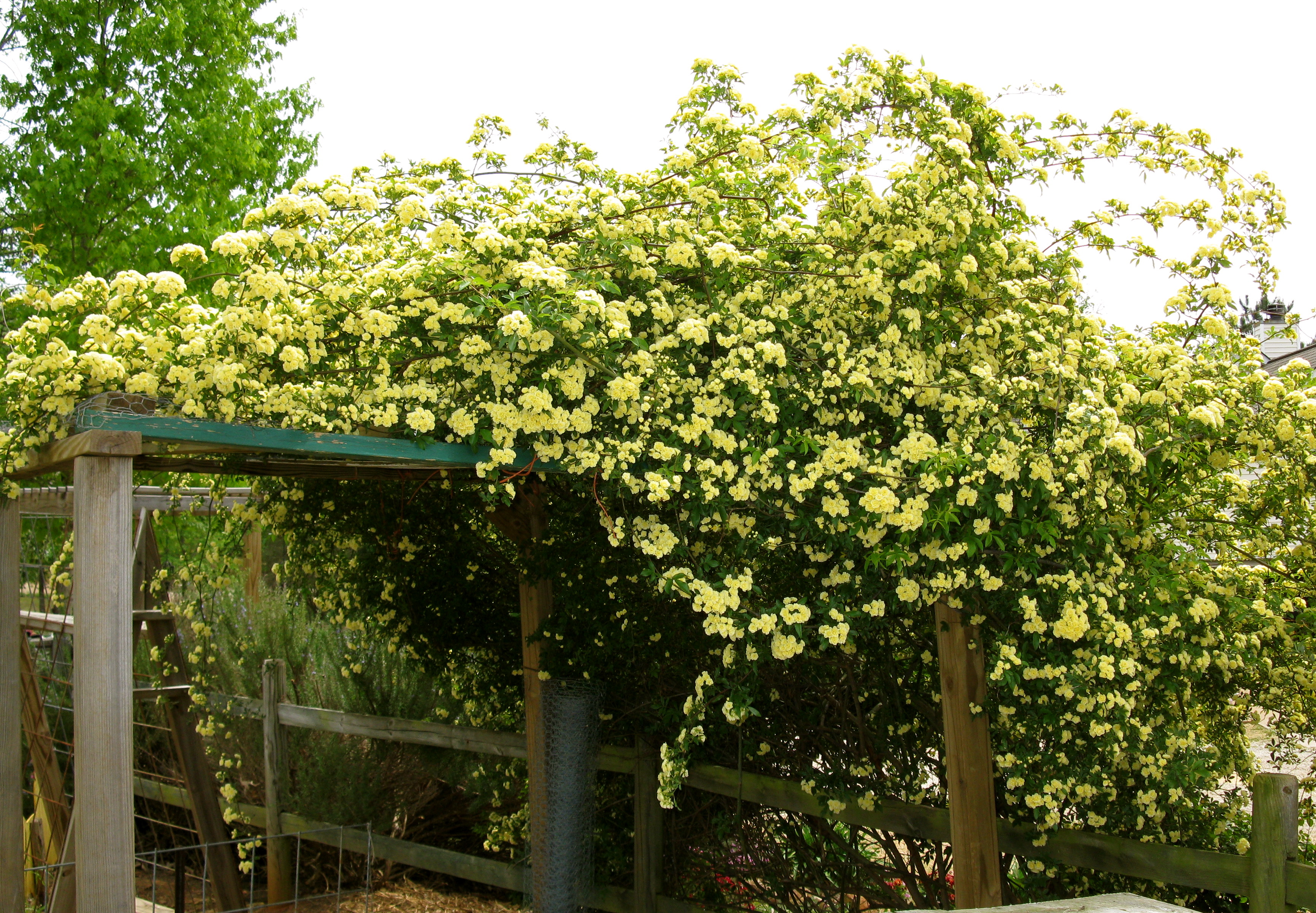
Not to be confused with forsythia is Lady Banks rose, Rosa banksiae. It is equally brilliant but needs a large space or pergola to climb over, and usually blooms a little later. White varieties are available too.

Not as showy as some but well worth having in your shade garden is the Leatherleaf mahonia, Mahonia bealei. These bloom in cluster of yellow in Jan. — Feb and form grape-like clusters of blue fruits, a favorite food of the cedar waxwing. The coarsely toothed bluish green foliage is interesting year-round.


Down a little lower to ground, daffodils, jonquils, and paper whites are emerging, and some of the earlier types will be in bloom shortly. Do you have a few sprinkled in your beds?


The winter flowering honeysuckle Lonicera fragrantissima, is a shrub form of the honeysuckle family that is desirable for its fragrance, and bees love it.


Winter flowering jasmine, Jasminum nudiflorum, is a low sprawling shrub with fragrant yellow flowers,  and like lonicera, it has attractive foliage during summer as well.

Several of our fruit trees will bloom in February, but my favorite is the native wild plum, Prunus texana or Prunus Mexicana. They are covered with creamy white blooms that fill the entire yard with sweet fragrance, produce fruit for wildlife and jelly making, and are tough as nails to boot. What more can a Texas gardener ask for?


February Chores


  • Cut back Asian jasmine, liriope, and roses
  • Treat crape myrtles with dormant oil for bark scale
  • Make major pruning changes to overgrown shrubs
  • Prune low limbs on trees
  • Prune dormant perennials and fountain grasses
  • Plant and transplant trees and shrubs
  • Apply pre-emergent and broadleaf herbicides
  • Change water and clean water gardens and koi ponds


Our goal is to fulfill the needs of the customer by providing timely, quality services and products.
Thanks for your business!

Thursday, May 5, 2016

Prime's Clippings May 2016


Never Complain About the Rain*

Looking back on the newsletters from both 2014 and 2015, we seem to be in a pattern of starting May with lows In the forties and lots of rain. The forecast for Tuesday morning will be mid forties and may even dip into the upper thirties outside of the city heat island! May is historically our rainiest month so nothing unusual about that, but due to the El Nino effect our wet spring began in March and really ramped up in April. The cool nights have kept weeds growing fast and lawns somewhat slow, but that should all change soon and grass will start to dominate. 
Leave sprinklers off until rains disappear for a week or more, but keep an eye on any new plants. As you well know, we can jump into  90 degree afternoons without warning and that can wilt newly planted flowers in just a day or so. But right now the dominant issues are drainage and fungal problems. Wet springs cause numerous problems, including TARR (Take All Root Rot) and brown patch in St. Augustine. Leaf spot on hawthorns and photinias is showing up too. Issues like these have to be addressed periodically, but again, we should be happy and take the rain over drought conditions anytime.

* unless you live in Spain and it is mainly on the plain, or just like me you are mildly insane


Rainy Days and Seasonal Color

The pattern of heavy rains every week throughout the last few weeks has meant that most of our properties have had to be mowed while they were wet. This is certainly not our preference, but the reality is that if we skip a wet property this week and it is raining again the following week, and then the following week… well, you can see where this is going. We try to avoid mowing the properties or areas of properties that have the worst drainage, we send crews out late and work 14 hour days to make up, but there will always be the potential for your property to be missed or mowed while it is wetter than either of us would prefer.

Annual flowers are going in the ground just as fast as we can get to them, and all properties should be finished in the next 3 weeks. We love planting this time of year because we are almost always assured a few good rains to water our flowers in, and nothing is better than natural rainwater. 
However, the cool rainy weather also affects what and when we can plant. Zinnias, pentas, and periwinkles are some of our most requested plants, but cool wet weather is instant death for periwinkles and sometimes zinnias. And although the pentas we have planted so far are nice and healthy, they need more sun to start blooming. So please don’t be impatient if these are the plants destined for your property. There is still plenty of time to get them started.


What Can We Help You With?

A reminder to both our new clients and long-time clients as well.Prime is a full service landscape company, offering all types of outdoor services. Along with typical maintenance chores like mowing, shrub and tree trimming, fertilizing, and weed control, we can help you with many other professional services.

  • Landscape Design and Installation
  • Landscape Architect
  • Outdoor LED Lighting
  • Christmas Lighting
  • Outdoor Pest Control
  • Deep Root Feeding
  • Aeration
  • Swimming Pool Design and Construction
  • Sprinkler System Design, Installation, and Repair
  • Drainage Systems
  • Stone Masonry and Concrete Work
  • Koi Ponds and Waterfalls
  • Pondless Water Features and Fountains
  • Trash and Debris Haul Off
  • Pressure Washing


May is for Maintenance

The key word for May is maintenance! This is probably the hardest time of the year to try and keep up with everything. With the heavy rains and warmer temperatures all our plants will be growing fast. That means weeds in the beds seem to be in a race to see who can reach the roof first. Shrubs too are flushing out and put on some of their heaviest growth of the year during the next 2 months. Our lawns should now be mowed weekly for the rest of the growing season. Remember, mowing too infrequently stresses the grass and can contribute to disease and weed problems.
Maintenance also means keeping up with insects and diseases. Most of our insect pests and disease organisms multiply rapidly in moist warm weather, so a good gardener needs to watch for aphids, mealy bugs, cutworms, lawn fungus, and any number of similar problems that can quickly wreck havoc on your ornamentals and lawn.


Scale on crape myrtles has been an increasing problem now for about 6 years and is causing severe stress for these beloved plants. We can apply a systemic in the spring. Do not delay if you see an infestation as a systemic takes several weeks to work.

Entomosporium leaf spot is rampant right now affecting hawthorns, cleyera, and a variety of shrubs. Two applications of a fungicide should provide good control. Not treating may result in defoliation and death.


Fire ants will be popping up everywhere after big rains. It’s not too late to apply the product that controls for a full season, or you can periodically apply baits and mound treatments. Baits are still one of the most effective controls but do not give results overnight. A slow steady reduction of ant populations is the goal.


Mosquito Season is Here

Wet conditions are going to make mosquitoes a major problem this spring. Cities are already starting control efforts and you should too. The street-side applications made by most cities do not extend much past your fence or hedges so you receive little benefit in your back yard where you spend most of your time. Follow the guidelines of eliminating stagnant standing water, put mosquito dunks in rain barrels and drain basins, and wear insect repellent during peak hours if you are going to be outside. We cannot eliminate all mosquitoes from your yard, but we can reduce the populations in your immediate area. We use a fogging system to treat shady spots and shrubs where mosquitoes hide during daylight hours with an insecticide that has a 3 to 4 week residual. This means that a monthly application during mosquito season will help you to enjoy your yard again. Zika and West Nile are real concerns. Shouldn’t you be doing everything you can to protect yourself and your family? Prices start at just $95 for a residence depending on the amount of landscaping that needs to be covered. We can also treat your drain boxes for just $25 each. Call to get on our next round of applications!

Tuesday, April 5, 2016

Prime's Clippings April 2016

Gold, white, red, and a little bit of lavender Lantana

Looking Forward to a Great Spring

With regular rains and cool nights, spring is starting off nicely, except for those of us that were caught in the hail storms. There is lots of color showing up on roses, wisteria, spiraea, and azaleas, and trees are budding out everywhere. With the warm winter I noticed several plants blooming weeks earlier than normal, including bluebonnets and bridal wreath. Pansies have held up well this spring in most places, but a few have been lost to aphids or wet soils last fall. I hate to see them go, but it’s about  time to start changing out to summer color. 

So what might this year bring? More floods, drought, bugs, blooms, or all of the above? It's as hard to predict how our gardens will perform as it is to predict our weather, and of course they are inexorably entwined. At least the rains have filled area lakes and our soil moisture levels are good, so we will start the 2016 gardening season in reasonably good shape. 

April is absolutely the busiest month of the year for gardening, so please be patient with us if we can’t always get to you right away- we promise to do our best!


How to Water Newly Planted Shrubs

A reminder to anyone planting new shrubs and trees. Although sprinkler systems will supplement rains adequately on lawns and established plants, most new plants need to be thoroughly soaked once a week until they get established and very few sprinkler systems are capable of soaking an entire root ball.

This means that if you do not receive a good soaking rain every 6-10 days, you need to get the old water hose out and hand water your new plants weekly. 

The bigger the plant, the more important this is. Most plants like a well drained soil, so container grown plants are usually planted in an organic mix that drains very well. Nurseries water most plants daily as going without water for even a couple days can dry out the root ball to the point of damaging the plant. 

When your new plants are taken from that container and placed in soil, the same effect can be seen, although not quite as rapidly. When a healthy plant fails within just a few weeks of installation, 95% of the time it is due to that root ball being allowed to dry out. We’ll chalk up 4% to the other culprit, over watering, and 1% to a damaged root ball. So please help us keep your new plants looking good by watering correctly!


Almost Time for Summer Color

Start making plans now for your summer color!


Mixed colors of Pentas
We are planting petunias now for a big show through May, and then around mid-April we will start planting summer flowers so they can get rooted before hot weather. 

There are so many choices, but low maintenance plants that are not too finicky work well for most of us. Few people have the time or inclination to constantly check and treat for insects or diseases, and we need plants that can outlast a long summer season with extreme temperatures. 

So with this demanding criteria, here are some proven winners and appropriate applications for them. 

Gold, white, red, and a little bit of lavender Lantana

Full sun or afternoon sun areas: 

Lantana is hands-down the toughest choice for high heat, and the absolute best choice for dryer beds. Some folks think lantana can get a little unruly, but there are new compact dwarf varieties that really perform. Pentas are another heat lover with few problems, and for big accents use purple fountain grass, esperanza, and sun coleus. Scaevola is a great trailing plant in lavender or white, and Blackfoot daisy is a fragrant mounding/trailing plant—both great for rock walls, containers, or borders. Periwinkles love the heat but cannot be planted here until about mid-May due to pythium and rhizoctonia root rot when nights are cool or it is too wet. Dwarf zinnias can have similar issues if planted too early. Sweet potato vines are another great accent as long as you have the space for them or the time to periodically cut them back, and artemesias such as Dusty Miller or Powis Castle provide silvery foliage. Other choices for sun include Angelonia, Blue Daze, Moss Rose, and Purslane. Bronze begonias tolerate sun or shade so are great for those places that go in and out of the sun, but they struggle with uneven moisture, and with twice a week water restrictions it can be hard to keep them looking good in July-August.

Impatiens with just the right amount of sun

Shade areas:

In the shade, caladiums and begonias are king with impatiens close behind. Impatiens need a little light to look good all summer. In heavy shade they tend to get leggy in July-August. Caladiums also need consistent water and once they start withering they take a long time to recover. 

Dragon Wing Begonias


You can also use foliage plants like shade coleus, Japanese painted fern, alternanthera, or lamium. 


We have had great luck with Dragon Wing Begonias in shade despite uneven watering.

Reminders


Email

Please call or e-mail us to start getting your invoices and statements via e-mail. We will never share your contact information or blast you with solicitations. It is simply the most environmentally friendly and efficient way to do business. contactus@primelandscapeservices.com


Scheduling

During the spring season, we have many homeowners with different preferences for their mowing schedule. If you are not on a 12 month pro-rated contract, please let us know when you want to start weekly services. Also please give at least 24 hours notice to change a regular service.


Lawn Problems

It has been a wet spring so far, and if April starts off cool and wet these are optimal conditions for brown patch, take-all patch, spring dead spot, and other fungal turf diseases. Keep an eye out for circular brown patches or yellowing and call if you think you have a problem. 

Monday, February 29, 2016

Prime's Clippings March 2016

A Record Warm Winter Creates Spring Challenges 

Last month I said I wouldn’t start planting begonias just yet in spite of the spring-like temperatures, but this has certainly been the warmest winter in many years. We could have planted lots of warm weather plants in February but the likelihood of a March freeze still holds true for another 20 days, so let’s try to be a little patient!

The recent rain was sorely needed, but weeds are now exploding onto the scene. Pre-emergent applications from the fall were only partially effective after being diluted with nearly 20 inches of rain in October – November. We are applying broadleaf control for plants like dandelion and henbit now and spot spraying for certain grassy weeds like wild rye. Remember though that most of these plants have begun flowering already and it takes at least 2 weeks and 2 applications to knock these weeds down. Our crews are busy cutting back roses, perennials, and grasses, and I hate to tell you but it is already time to fire up the mowers.

So here is our annual reminder: RESIDENTIAL CUSTOMERS! If you are not on a year-round contract, please call to let us know when you are ready for mowing or your spring clean up.  We don’t want you to wonder where we are, but we also have some clients that like to wait until late in March to start.

And not to be the bearer of bad news, but with less than half of our normal freeze days this winter we can probably expect lots of insect issues and an early crop of mosquitoes and fire ant activity. We will try to keep you informed as we observe these problems, but let us know if you need our help. We offer mosquito fogging, fire ant control that is guaranteed all season, and treatments for other pests we will see this year, such as bagworms, tent caterpillars, and chinch bugs.

Ready or not, we are into an early spring so hang on for the ride!


No Fire Ants For The Season - Guaranteed! 

Fire ants may be the most annoying pest of all. They do millions of dollars in damage each year to electrical equipment and agriculture, and swarm out when disturbed to inflict painful bites to children, pets, and any unsuspecting gardener.

Fire ants can migrate miles when swarming and tunnel up to 20 feet deep, so permanent eradication is not possible. However, we can treat your entire property with a long residual product that will eliminate existing colonies and create a barrier to prevent new swarms from moving in. When done in March, we guarantee control for 8 months!

Prices start at just $155 for a full year. Call for your free quote today and get 10% off your first year!


Pond Season Starting Up 

String algae season is starting early this year. As much as we love our beautiful water features, we pond owners hate string algae equally. Since aquatic plants have not come out of dormancy and cool water temperatures reduce the bacteria colonies in your filters and gravel, conditions are optimal for the growth of string algae. Algae is a natural, healthy organism in any natural water feature, but it can bloom suddenly in a matter of days and become unsightly.

We start our annual clean outs this month, changing the water, washing down the gravel, removing the sludge, cleaning the filters, trimming and thinning out water plants, and changing the water to get your pond started on the right foot for spring.

Give Spencer a call to book your spot for your spring clean out!


Thank You For Your Business

Spring is upon us in full force. We want to thank all our clients who started on their spring projects with us a month or two ago when we had a little more free time, and we appreciate the patience of all of you who are now calling in for landscape projects and having to wait for your estimate. We will do our best to get to whatever you need as quickly as we can.

We look forward to working with you in the coming season. And remember- email is a great way to communicate with us!

contactus@primelandscapeservices.com