Showing posts with label plants. Show all posts

Tuesday, August 1, 2017

Prime's Clippings August 2017

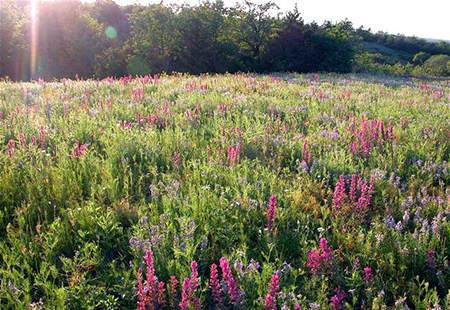
 Prickly Poppy, Argemone Albiflora

an August wildflower and excellent forage plant for quail and bees

Dog Days of Summer


After a fairly pleasant June, July came on hot and dry as expected. Rains have been widely scattered so consider yourself lucky if you had any in your part of the world. As I write this on the last day of July we are expecting a very nice start to August with increased rain chances and high temperatures in the low nineties—sweet!  But for the next two months plants and lawns can go south in a hurry. Keep an eye on tender plants like hydrangeas or newly planted trees and shrubs, and check your sprinklers regularly for clogged nozzles, low heads, heads blocked by shrubs, etc. It only takes a week or so to do serious damage to lawns and landscapes that are not receiving enough water, so stay alert!

So why do we refer to the sultriest days of summer as the “dog days?" Is it because the heat makes dogs short-tempered and mean, or lazy and lethargic? Because we eat a lot of hot dogs?

The original meaning actually had nothing to do with heat or dogs, but hot weather is what we in the northern hemisphere now associate with the phrase. The ancient Greeks marked this time of the year by the rising of Sirius the dog star just before dawn, and associated it with a potential for war or disaster. It also happened to coincide with a really hot time of year, but depending on where you are in the world Sirius will rise at different times. And because the stars in our night sky move independently of Earth’s calendar, in about 13,000 years we will be experiencing the dog days of winter. And I bet the dogs will still be lethargic and lazy, laying about by a warm fire.


Time to Treat for Grubworms!


Don’t forget! August is the time of year to treat for grub worms. Most of our grub damage is brought on by the larva of the June beetle. Peak flights of the June beetle occur in mid May to mid June and eggs hatch about 1 month later. Grubs are easiest to kill at this early stage of their growth due to the fact that they are closer to the soil surface and very small. Not every yard will have a large enough population to cause damage, but if you have had one in the past you may be in a location that is prone to infestation. Lawns close to street lights where June bugs gather are often hit, and ironically they often attack lush lawns when soil is soft and food (roots) is abundant. They can do serious damage to turf over the next two months. And the application we make for grubs may also act as a preventative for chinch bugs, another bad lawn pest.

Prices start at just $49.95 for customers that are already on our 7 step program!

This many grubs in 1 sq ft of soil is enough to do serious damage.


Summer Surprises


While enjoying a late afternoon walk a few years ago we were fortunate enough to be caught in a heavy downpour. Like a couple of kids, we came home soaking wet, chilled, and thrilled to have a good rain in mid summer. Then, just a few days later, we discovered a vast swath of beautiful white flowers held on single stems 8 inches tall, growing in an old mowed field that was once the site of the Pike Drive-In Theater in the fifties. Having driven past this corner my entire life, funny how I never really noticed them until I took the time to actually walk through the field. Sometimes you just have to slow down to find the treasure that was there all along.


These summer jewels are rain lilies. Even though these flowers are called lilies, they actually belong to the Amaryllis family. Rain lily is a generic term that applies to numerous species of plants in three different genus: Zephyranthes, Habranthus, and Cooperia. We dug several clumps to set in our beds and after a few days they went to seed. A second rain brought another flush of flowers a week later. These resilient little bulbs will flush after nearly every summer rain and last virtually forever. Our new wild additions joined some pink ones we purchased at a nursery years ago.


Another plant that will help ease the dog days of summer is the Surprise Lily, Lycoris radiata or Lycoris sqaumigera.

Around the end of August, when you have just about given up on keeping your plants pretty, up jumps a little shoot of fresh green growth. In just about a week it is 2-3 ft. tall and a gorgeous spidery red or pink bloom appears.

Excellent in a mondo grass bed or all by themselves, a few clusters of this beauty will transition you pleasantly into Fall.


Planning for Fall Projects


Every year we like to remind customers that Fall is an excellent time for landscape improvements. Everyone gets spring fever and enjoys freshening up their yard in spring, but well informed gardeners know that Fall is really the best season for planting most of our landscape ornamentals.

Trees, shrubs, and perennials that are planted in September through December get to take advantage of our traditionally mild temperatures and regular rains. Plants that go in the ground in the Fall have reduced heat stress and are better equipped to handle the inevitable dry conditions of next summer.

Although most plants will show little or no top growth during the winter, it’s what is going on in the ground that counts. Root systems thrive in our mild Fall weather and grow vigorously all winter, giving you bigger, healthier plants next year.

Use these hot days of August to make plans for your fall landscape projects.


The Big Email Push


Experts agree, e-mail is the only way to go!

Once again, we are reminding everyone to sign up to “Go Green” and start receiveing your invoices and newsletter via e-mail. We do not share your address with anyone, and we do not send out e-mail blasts soliciting your business.

You can also pay with your favorite credit card if you prefer.

Just call us at 817-461-4000 to set it up.

Better yet, send an e-mail to: contactus@primelandscapeservices.com

Thanks!

Wednesday, April 5, 2017

Prime's Clippings April 2017


Looking Forward to a Great Spring


I would say that this has not been a normal winter or start to spring time, but since this is north Texas normal weather is hard to define. The two hard freezes we had this winter burnt quite a few plants, and all the 80 and 90 degree days confused plants and insects, as well as some of us humans. I know I’m confused all too often these days.

Several of our spring plants bloomed weeks earlier than normal, including bluebonnets and Bridal wreath. Pansies have held up well this spring in most places, but patches were lost to the 3 days of teens and twenties in early January. Fortunately it’s about time to start changing out to summer color.

We have already had our first storm with damaging winds and hail, and we can expect more over the next two months. At least May is traditionally our wettest month. There is plenty of time to get new plants and sod in and have Mother Nature’s helping hand in getting them established before our hot weather arrives, but I guess that depends on how “normal” our weather is!

April is absolutely the busiest month of the year for gardening, so please be patient with us if we can’t always get right to you. We promise to do our best!


How to Water Newly Planted Shrubs and Trees


A reminder for anyone planting new shrubs and trees.

Although sprinkler systems will supplement rains adequately on lawns and established plants, most new plants need to be thoroughly soaked once a week until they get established, and very few sprinkler systems are capable of soaking an entire root ball.

This means that if you do not receive a good soaking rain every 6-10 days, you need to get the old water hose out and hand water your new plants weekly.

The bigger the plant, the more important this is. Most plants like a well drained soil, so container grown plants are usually planted in an organic mix that drains very well. Plants are usually watered daily at the nursery and sometimes going without water for even a couple days can dry out the root ball to the point of damaging the plant. When your new plants are taken from that container and placed in soil, the same affect can be seen, although not quite as rapidly.

When a healthy plant fails within just a few weeks of installation, 90% of the time it is due to that root ball being allowed to dry out. We’ll chalk up 9% to the other culprit, over watering, and 1% to a damaged root ball.

Regarding sod, it must stay moist every day for the first few weeks until the roots establish. Give it a good soaking every few days or a light sprinkling every day.

Please help us keep your new plants looking good by watering correctly!


Almost Time for Summer Color


The time is now to start making plans for your summer color!

The petunias we recently planted will make a for a big show through May. If you are a petunia person you will need to swap them out for hot weather plants like lantana or periwinkles in early June. But if you just have pansies or nothing at all in your beds then you can start planting summer flowers now so they can get rooted before hot weather.

There are so many choices, but low maintenance plants that are not finicky are a big factor for most of us. Few people have the time or inclination to constantly check and treat for insects or diseases, and we need plants that can outlast a long summer season with extreme temperatures. So with this demanding criteria, here are some proven winners and appropriate applications for them.

Full sun or afternoon sun areas:

Lantana is hands-down the toughest choice for high heat, and the absolute best choice for dryer beds. Some folks think lantana can get a little unruly, but there are new compact dwarf varieties that really perform and grow only to about 12 inches. Pentas are another heat lover with few problems, and for big accents use purple fountain grass, esperanza, and sun coleus. Scaevola is a great trailing plant in lavender or white, and Blackfoot daisy is a fragrant mounding/trailing plant—both great for rock walls, containers or borders.


Periwinkles love the heat but cannot be planted here until about mid-may due to pythium and rhizoctonia root rot when nights are cool or it is too wet. Dwarf zinnias can have similar issues if planted too early. Sweet potato vines are another great accent as long as you have the space for them or the time to periodically cut them back, and artemesias such as Dusty Miller or Powis Castle provide silvery foliage. Sunpatiens are a sun tolerant variety of impatiens and perform well with adequate water, but are usually quite a bit pricier.


Other choices for sun include Angelonia, Torenia, Salvia, Blue Daze, Moss Rose, and Purslane. Bronze begonias tolerate sun or shade so are great for those places that go in and out of the sun, but they struggle with uneven moisture, and with twice a week water restrictions it can be hard to keep them looking good in July-August.


Shade areas:
In the shade, caladiums and begonias are king with impatiens close behind. Impatiens need a little light to look good all summer. In heavy shade they tend to get leggy in July-August. Caladiums also need consistent water and once they start withering they take a long time to recover. You can also use foliage plants like shade coleus, Japanese painted fern, alternanthera, or lamium. We have had great luck with Dragon Wing Begonias in shade despite uneven watering. Like sunpatiens, these are normally a little more costly than some of the more common bedding plants, but grow really large and fill a lot of space..


Reminders


E-mail
Please call or e-mail us to start getting your invoices and statements via e-mail. We will never share your contact information or blast you with solicitations. It is simply the most environmentally friendly and efficient way to do business.

Scheduling
During the spring season, we have many homeowners with different preferences for their mowing schedule. If you are not on a 12 month pro-rated contract, please let us know when you want to start weekly services. Also please give at least 24 hours notice to change a regular service.


April Chores


  • Aerate lawn
  • Mow weekly
  • Plant spring flowers & shrubs
  • Mulch beds
  • Treat fire ants
  • Check/set irrigation system
  • Start trimming hedges
  • Weed control in beds
  • Fertilize lawns and shrubs


Our goal is to fulfill the needs of the customer by providing timely, quality services and products.
Thanks for your business!

Thursday, February 2, 2017

Prime's Clippings February 2017


75 Degrees? Winter Must Be Over!


Ha! This is the exact headline I used last year and the temperature was identical today! The differences so far this winter have been the early hard freeze and the vicious follow-up freeze that did some damage to some of our borderline zone 8 plants like pittosporum and ligustrum, but it’s too early to tell if there is permanent damage just yet.

We are continuing to stay somewhat dry in spite of a couple flooding rains, and way too many warm days to call it much of a winter. Still, we have a long ways to go before we are out of the freeze zone. If we get more rain the weeds will explode onto the scene in February, and trees may start to bud early.

We are busy putting out our first winter weed application, but remember, one application won't cure all your weed problems! We recommend our 7 step yearly lawn application program or at the very least the 3 most important weed control applications in winter, spring, and fall for best results.

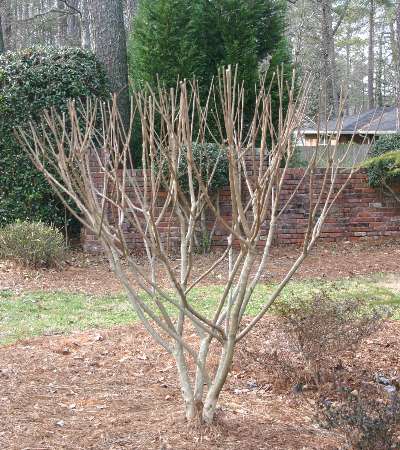
Our crews are also out trimming crape myrtles and cutting back roses, perennials, and grasses, so please let us know if you are not already on a regular schedule for these chores.

My official prediction: Regardless of what the weather is doing, Spring will begin March 20. I don’t think I can go wrong with that one.


Our Annual Mulch Special Continues Through February


Mulching your beds is absolutely the best thing you can do for the health of your soil and plants. Mulch reduces weeds, improves soil structure, conserves moisture, protects plants from extreme cold and summer heat, and gives your beds a neat appearance.

How much do you need? We recommend adding 2” to existing mulch or 3” to unmulched areas. A 2 cu ft bag will cover about 10 sq ft 2” deep or 7 sq ft 3” deep.

Take advantage now! 
Mention our newsletter for 20% off normal prices.

DISCOUNTED PRICE
Hardwood: $5.00 per 2 cu ft bag
Dark brown, enriches soil as it decomposes

Cedar: $5.85 per 2 cu ft bag
Great cedar smell, lighter color, lasts longer

Red or Black Mulch: $5.60 per 2 cu ft bag
For a decorative look

Prices include delivery and installation; extra charges may apply for weeding or leaf clean ups if needed.


Winter To-Do List


February is the month to transplant trees, shrubs, and many perennials. If you have something that doesn’t quite fit and has not been in the ground too many years, now is the time to find it a new home. Try to keep as much soil around the root ball as you can and water with root stimulator and liquid fish/seaweed emulsion to help the plant survive.

While trees are still void of foliage, prune to remove mistletoe, low limbs, and perform corrective pruning for crossed limbs, weak forks, and other potential hazards. It is much easier to see what needs to be done when the leaves are off.

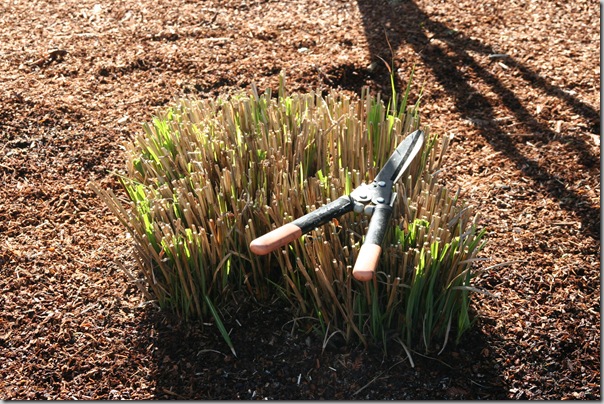
Cut back ornamental fountain grasses, roses, and groundcovers such as liriope and Asian jasmine this month. We are strongly recommending that everyone have their liriope (monkey grass) cut back every year. There is a fungal crown rot that is infecting liriope throughout the area. It is a serious disease that will slowly kill out large patches of your bed and has no practical chemical control. Cutting the plant back in late winter is one of the recommended preventative measures along with avoiding too much water.

This is also the time for  severe pruning of overgrown shrubs, or shall we say perhaps a shrub that may not have been planted in the best location? Regardless, you can cut many shrubs back to wood now with a good chance they will leaf back out in spring.

Veggie gardeners have a lot on their plate this month. It is time to plant many cool weather leafy and root vegetables, including onions, carrots, kale, peas, broccoli, collards and most all greens, and even lettuce. You may still have to cover tender new plants a few times, but all of these are at their best before temperatures get hot.


Early Bloomers


With a mild winter like we have had so far, it’s easy to start getting spring fever a little early. Some of our plants get it too, and there are several that will start blooming in the next few weeks. Some of these are old-timey garden favorites and well worth considering for your yard. These plants aren’t just helping to brighten our winter days with color. They also provide much needed early forage for  the honey bee and other wildlife.

Flowering quince, Chaenomeles japonica,  is a rather non-descript shrub in the summer, best suited for the back of the bed or tucked in with other evergreen shrubs. But in February it is spectacular in pinks, whites, or reds.

Forsythia, Forsythia intermedia spectablis, is the arching shrub of bright yellow that you may even see at old abandoned homesites.

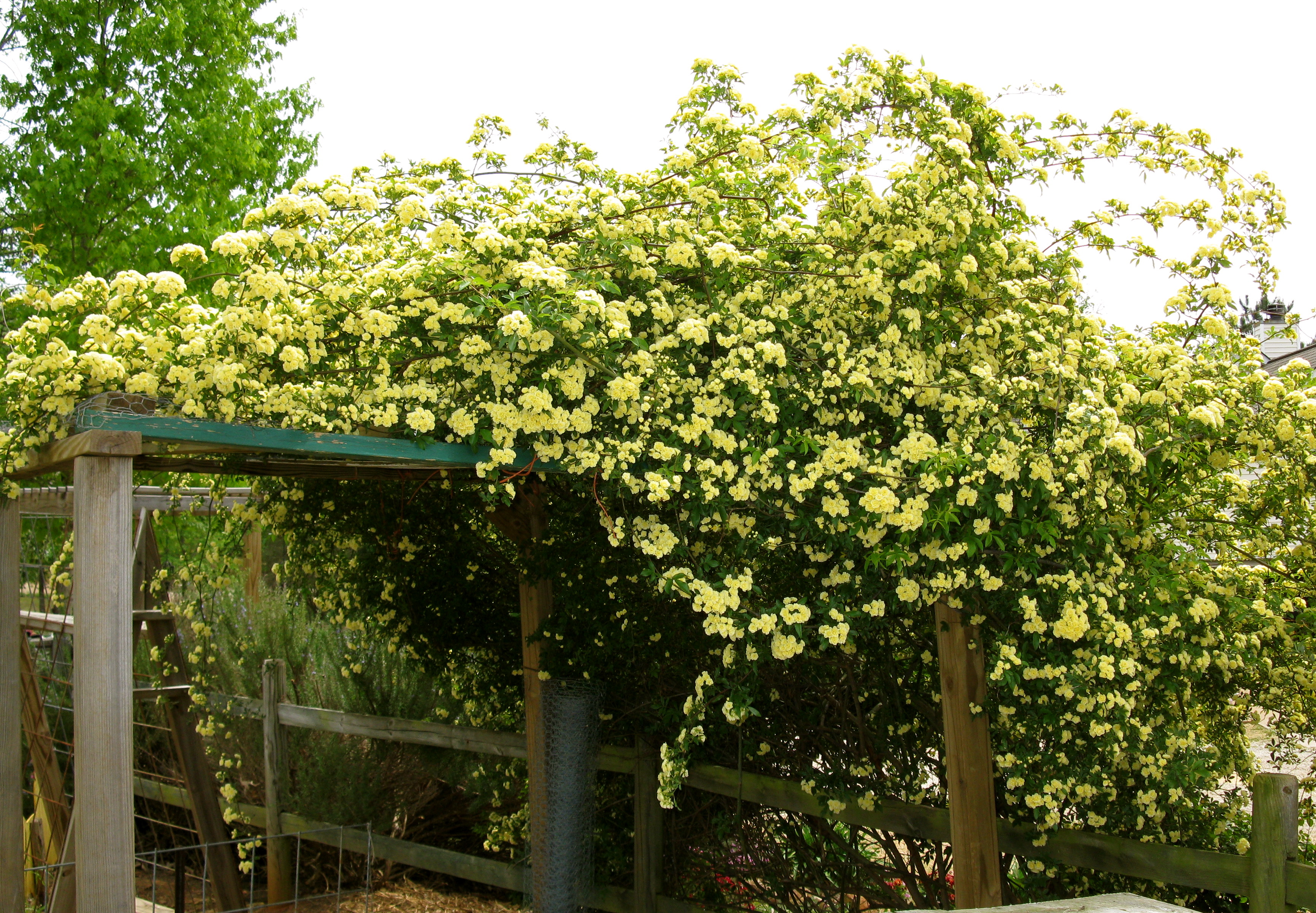
Not to be confused with forsythia is Lady Banks rose, Rosa banksiae. It is equally brilliant but needs a large space or pergola to climb over, and usually blooms a little later. White varieties are available too.

Not as showy as some but well worth having in your shade garden is the Leatherleaf mahonia, Mahonia bealei. These bloom in cluster of yellow in Jan. — Feb and form grape-like clusters of blue fruits, a favorite food of the cedar waxwing. The coarsely toothed bluish green foliage is interesting year-round.


Down a little lower to ground, daffodils, jonquils, and paper whites are emerging, and some of the earlier types will be in bloom shortly. Do you have a few sprinkled in your beds?


The winter flowering honeysuckle Lonicera fragrantissima, is a shrub form of the honeysuckle family that is desirable for its fragrance, and bees love it.


Winter flowering jasmine, Jasminum nudiflorum, is a low sprawling shrub with fragrant yellow flowers,  and like lonicera, it has attractive foliage during summer as well.

Several of our fruit trees will bloom in February, but my favorite is the native wild plum, Prunus texana or Prunus Mexicana. They are covered with creamy white blooms that fill the entire yard with sweet fragrance, produce fruit for wildlife and jelly making, and are tough as nails to boot. What more can a Texas gardener ask for?


February Chores


  • Cut back Asian jasmine, liriope, and roses
  • Treat crape myrtles with dormant oil for bark scale
  • Make major pruning changes to overgrown shrubs
  • Prune low limbs on trees
  • Prune dormant perennials and fountain grasses
  • Plant and transplant trees and shrubs
  • Apply pre-emergent and broadleaf herbicides
  • Change water and clean water gardens and koi ponds


Our goal is to fulfill the needs of the customer by providing timely, quality services and products.
Thanks for your business!

Tuesday, April 5, 2016

Prime's Clippings April 2016

Gold, white, red, and a little bit of lavender Lantana

Looking Forward to a Great Spring

With regular rains and cool nights, spring is starting off nicely, except for those of us that were caught in the hail storms. There is lots of color showing up on roses, wisteria, spiraea, and azaleas, and trees are budding out everywhere. With the warm winter I noticed several plants blooming weeks earlier than normal, including bluebonnets and bridal wreath. Pansies have held up well this spring in most places, but a few have been lost to aphids or wet soils last fall. I hate to see them go, but it’s about  time to start changing out to summer color. 

So what might this year bring? More floods, drought, bugs, blooms, or all of the above? It's as hard to predict how our gardens will perform as it is to predict our weather, and of course they are inexorably entwined. At least the rains have filled area lakes and our soil moisture levels are good, so we will start the 2016 gardening season in reasonably good shape. 

April is absolutely the busiest month of the year for gardening, so please be patient with us if we can’t always get to you right away- we promise to do our best!


How to Water Newly Planted Shrubs

A reminder to anyone planting new shrubs and trees. Although sprinkler systems will supplement rains adequately on lawns and established plants, most new plants need to be thoroughly soaked once a week until they get established and very few sprinkler systems are capable of soaking an entire root ball.

This means that if you do not receive a good soaking rain every 6-10 days, you need to get the old water hose out and hand water your new plants weekly. 

The bigger the plant, the more important this is. Most plants like a well drained soil, so container grown plants are usually planted in an organic mix that drains very well. Nurseries water most plants daily as going without water for even a couple days can dry out the root ball to the point of damaging the plant. 

When your new plants are taken from that container and placed in soil, the same effect can be seen, although not quite as rapidly. When a healthy plant fails within just a few weeks of installation, 95% of the time it is due to that root ball being allowed to dry out. We’ll chalk up 4% to the other culprit, over watering, and 1% to a damaged root ball. So please help us keep your new plants looking good by watering correctly!


Almost Time for Summer Color

Start making plans now for your summer color!


Mixed colors of Pentas
We are planting petunias now for a big show through May, and then around mid-April we will start planting summer flowers so they can get rooted before hot weather. 

There are so many choices, but low maintenance plants that are not too finicky work well for most of us. Few people have the time or inclination to constantly check and treat for insects or diseases, and we need plants that can outlast a long summer season with extreme temperatures. 

So with this demanding criteria, here are some proven winners and appropriate applications for them. 

Gold, white, red, and a little bit of lavender Lantana

Full sun or afternoon sun areas: 

Lantana is hands-down the toughest choice for high heat, and the absolute best choice for dryer beds. Some folks think lantana can get a little unruly, but there are new compact dwarf varieties that really perform. Pentas are another heat lover with few problems, and for big accents use purple fountain grass, esperanza, and sun coleus. Scaevola is a great trailing plant in lavender or white, and Blackfoot daisy is a fragrant mounding/trailing plant—both great for rock walls, containers, or borders. Periwinkles love the heat but cannot be planted here until about mid-May due to pythium and rhizoctonia root rot when nights are cool or it is too wet. Dwarf zinnias can have similar issues if planted too early. Sweet potato vines are another great accent as long as you have the space for them or the time to periodically cut them back, and artemesias such as Dusty Miller or Powis Castle provide silvery foliage. Other choices for sun include Angelonia, Blue Daze, Moss Rose, and Purslane. Bronze begonias tolerate sun or shade so are great for those places that go in and out of the sun, but they struggle with uneven moisture, and with twice a week water restrictions it can be hard to keep them looking good in July-August.

Impatiens with just the right amount of sun

Shade areas:

In the shade, caladiums and begonias are king with impatiens close behind. Impatiens need a little light to look good all summer. In heavy shade they tend to get leggy in July-August. Caladiums also need consistent water and once they start withering they take a long time to recover. 

Dragon Wing Begonias


You can also use foliage plants like shade coleus, Japanese painted fern, alternanthera, or lamium. 


We have had great luck with Dragon Wing Begonias in shade despite uneven watering.

Reminders


Email

Please call or e-mail us to start getting your invoices and statements via e-mail. We will never share your contact information or blast you with solicitations. It is simply the most environmentally friendly and efficient way to do business. contactus@primelandscapeservices.com


Scheduling

During the spring season, we have many homeowners with different preferences for their mowing schedule. If you are not on a 12 month pro-rated contract, please let us know when you want to start weekly services. Also please give at least 24 hours notice to change a regular service.


Lawn Problems

It has been a wet spring so far, and if April starts off cool and wet these are optimal conditions for brown patch, take-all patch, spring dead spot, and other fungal turf diseases. Keep an eye out for circular brown patches or yellowing and call if you think you have a problem. 

Monday, October 14, 2013

Good Times Ahead

Fall officially began September 22nd as the sun reached the autumnal equinox and our day and night were nearly equal in length. And despite the unseasonably hot and dry September we had experienced so far, the fall spirits cooperated with a nice rain and low temperature of 56. Hopefully September was summer’s last blast. Lots of 90 degree days and virtually no rain really dried us out, but October looks to arrive with milder weather just as it should.

With this latest round of showers we will see bluebonnets and other spring wildflowers germinating. Of course, this means that henbit and a few other less desirable “wildflowers” will be popping up in our lawns and beds. Be sure you have us apply a pre-emergent weed control soon if you haven’t already!

Fire ants are extremely active this time of year, foraging for food to last through winter. This the ideal time to apply bait products. You will see new mounds pop up after every rain. Feeed your ants. Feed them!

Several flowering plants will put on a last big show for the season. Some of our most notables are the cool lavender blooms of Mexican Bush Sage and Blue Fall Aster. The bright yellow of Mexican Mint Marigold is a great companion. Salvia greggi are blooming in pinks, reds and many other shades, great forage for migrating humming birds and butterflies. Texas sage puts on a big purple bloom after rains and Knock-out roses are flushing again. All of these plants are also tolerant of dry conditions and water restrictions.

Salvia Leucantha
The next several weeks should provide some of our most pleasant weather and some great flowers. Get out and enjoy this great time of year!

Salvia Greggi

Tuesday, September 10, 2013

Fall Bird Feeding

The fall and spring migrations give even the most casual bird watcher an opportunity to see unique birds that may only be here for a short time.

Keeping a feeder or two stocked and a source of water will keep colorful characters interacting in your garden all year, and they may be especially noticeable when deciduous plants lose their foliage.

We have a great assortment of year-round residents that appreciate the extra forage in winter- cardinals, chickadees, wrens, dove, titmice, downy woodpeckers, jays, and red bellied sapsuckers to name a few. But any bird feeder has the potential to draw in visitors from far away during the migration. Common guests may include juncos, cedar waxwings, yellow rump warblers, red breasted nuthatches, goldfinches, orange crowned warblers, and more. Some may hang around for days, some may stop in only briefly, but seeing a bird you have never seen before can be quite a thrill.

Be sure your feeders are located in an area convenient for viewing and pick up a good identification guide.

Different seed blends can attract different species, and many of our ornamental shrubs provide forage for certain species too—cedar waxwings are famous for lighting on a mahonia bealei in late winter and quickly removing the ripe fruits. A flurry of activity like this adds interest and excitement to any garden.

A great source of information on birding can be found at your local Audubon Society, www.FWAS.org


“If you build it, they will come.” Including squirrels too, unfortunately!

Tuesday, September 3, 2013

Fall - A Great Season For Gardening

August gets a B+ this year, with our hot streak taking a rain break around the middle of the month and evenings dipping into the seventies. This doesn’t mean that hot weather is gone for good, but it appears that things are easing and we can get back to enjoying our yards and start our fall gardening projects.

I get as excited about this time of year as I do spring, and it always seems to fly by just as quickly.

Get those fall veggies planted, prune out the sun burnt stuff, and get the fall pre-emergent and fertilizers put out. Plant trees, shrubs, groundcovers, and new lawns, but—we have to control ourselves and hold off on pansies until no earlier than October.

You should have plenty to do as the days get shorter, and soon enough you’ll be able to enjoy a cool evening around your outdoor fire pit.


Wait—you don’t have one of those yet? Hmmm, maybe you better give us a call!