Showing posts with label turf. Show all posts

Monday, October 1, 2018

Prime's Clippings October 2018

Eryngo leavenworthii
Leavenworth’s Eryngo
Often overlooked, but beautiful summer wildflower


Drought and Bugs, Worms and Floods- Oh My!


What a strange end of summer and beginning of fall!  After going through record heat and dry conditions and swarms of chinch bugs attacking our lawns, we only thought we were making a normal transition to fall as temperatures subsided and rains moved in. But then the rains set records and an army of army worms took the metroplex by storm.
 
After receiving over a foot of rain and making this the wettest September on record, we had a cool front come in on September 26th. That made for some pleasant  temperatures and more scattered rains forecast into the first week of October. Last year we had a fairly hot and dry October. Perhaps that will not be the case this year and we will have a normal fall.  Normal weather in Texas? Just for a month or two?  We’ll see.

Along with milder weather October brings a modest list of gardening chores. Turf still needs to be mowed and leaves mulched up, flowers will soon need to be changed out, bait products for fire ants should be applied now, pre-emergents and fertilizer applied, and tired summer perennials tidied up. But outdoor chores are always easier on a pleasant fall day. With all the strange weather and insect infestations there are some additional October chores to consider this year.

Read on for more tips and observations.


Pansy Time is Approaching

It is almost time to start changing out our annual color beds to winter color. We start around mid October as temperatures moderate and should have all our properties planted by mid November.

Pansies and ornamental kale or cabbage are the primary choices. They will last through most any of our winters, though cabbage may suffer some burn when we drop below 20 degrees. There are other fall flowers that can be planted now including mums, snapdragons, dianthus, alyssum, and a few others, but only the pansy will bloom throughout winter. Violas are equally hardy and just look like a miniature version of a pansy. They may even have a higher density of flowers than the large blooming pansies but stay more compact. They can also be used as a border.

Pansies in particular benefit from fertilizers containing organics like blood meal and bone meal. When first planted and during our crazy winter warm spells, aphids can attack pansies, and some years cutworms may be an issue in the first few weeks.

Pansies come in a great variety of colors both with and without a face, and may have two or more colors on each bloom. Please email or call our office if you would like a catalog via email of our winter color choices. Always plan on at least 2 options as growers will run out of certain varieties during the planting season, and place your requests as soon as possible.


At War With the Armyworm

Every season it seems conditions will be optimal for some pest or disease to flourish. This year we had prolific infestations of chinch bugs in St. Augustine lawns, and then came the army worms in Bermuda. Armyworm infestations have been so widespread that they have even made the local television news reports. There are always a few armyworms in the lawns, but this year there were some lawns hidden in the armyworms.

Armyworms Attack!The armyworm is the larvae of a small brown moth that lays eggs at the base of a suitable host plant. When they reach maturity, the worms burrow into the soil to pupate into moths that fly out, mate, and start the cycle again. There are several species of armyworms common to our area but the fall armyworm is the one most likely to damage our turf. They can have several generations at about 28 day intervals, and cool weather may extend the life cycle for several months. High rainfall events in August and September may increase populations. Remember those big rains in early August? For the last month or so they have been feeding voraciously on Bermuda lawns, stripping the leaves and turning them to brown stubble. They may hide in the thatch during the day and snack all night. And they may move on to other plants after finishing off your lawn.

In years like this where worms and their damage is abundant, it may be prudent to treat with an appropriate insecticide. And there is also an effective organic control, BT, Bacillus thuringiensis. A second treatment may be necessary whether using organic or a chemical insecticide. Most chemical insecticides are contact poisons, meaning they have to come in contact with the insect to kill them. If another generation of worms emerge a couple weeks after the initial treatment there may not be enough residual chemical to be effective. And the BT product must be ingested by the worm. After a good rain the BT may wash off and a second hatch will not be affected. So watch for reinfestation after an application.

This has certainly been an unusual year for this pest. They do not normally require treatment. And worse case scenario, it is unlikely that your Bermuda will suffer permanent damage. We are only a couple months from dormancy. The worms are only eating the blades, not the roots. The side effect though may be increased winter weeds invading your lawn due to the thin cover. And the fact that we normally enjoy another two months of nice green lawns up until our first freeze is another reason to consider treating. Even if you have not noticed the inch to inch and a half mature worms feeding, you may have smaller instars just getting started that are not apparent yet. The smaller worms cannot strip the entire blade. They just chew an outer layer, leaving a frosted appearance to the grass.

Considering that there are organic and chemical treatments available, and that there will be detrimental effects from a heavy infestation, it may be wise to consider treating your lawn.


Drainage Solutions


The heavy downpours of the last two months have created numerous drainage problems for property owners. If you have incurred drainage problems there may be one or more solutions to consider.

The first defense against flooding is simply making sure that your ground or concrete areas slope away from your building. Swales are also used to help create positive flow if you are in a flat area or at a low point. Over time, positive flow and swales may change due to soil movement and erosion and may need to be regraded.

The next consideration is to capture roof water in pipes and carry it to the street or a low point where it can exit. Surface drain boxes, or catch basins, may be added to capture pooling water on the surface as well. If there are areas that stay boggy after irrigating or rain, a French drain may be the answer. A French drain consists of perforated pipe in a gravel filled trench that captures water in the soil. French, roof, and surface drains are often combined into one system. These are all called gravity drains, as they are designed to flow downhill.

The last option is a sump pump system. These are usually only employed when there is no low point on the property to drain your water to and a gravity drain will not work. The drains are connected to a basin buried in the ground and a pump removes the water. 

If you are dealing with drain problems and would like an evaluation and estimate, please let us know.


October Chores


  • Mow less often as the lawn slows down
  • Water once a week as needed
  • Treat fire ants—bait products work well in Fall
  • Overseed rye and fescue grass
  • Apply weed pre-emergent and fertilizer
  • Sow wildflower seeds for spring


Spencer Young
Manager
Pool and Water Garden Services


Our goal is to fulfill the needs of the customer by providing timely, quality services and products.

Thanks for your business!

Monday, August 28, 2017

Prime's Clippings September 2017

Lonestar Gumweed, grindelia adenodonta
Just a weed to most, beautiful when you take the time to look

 We will be closed Monday, September 4th 

 for Labor Day 


How Many Days 'til Fall?


August began nicely and was overall a fairly mild month. We certainly had our share of blistering humid days, but the scattered rains throughout north Texas have made this a very bearable summer. Up north, fall dependably begins in September when the kids head back to school. Around here, be prepared for another month or more of hot weather. Maybe we will get lucky though.

Regardless of the difficulty in predicting the onset of cooler weather, September and October are two very important months for north Texas gardeners.

Probably the most important chore coming up is the application of fall pre-emergent weed preventative to our lawns and beds. Equally important is a fall fertilization with a balanced product including potassium for the roots. Some gardening experts will tell you there is a perfect range of days in which to apply pre-emergent, but in truth that range can be quite extensive, and even applications outside of the peak period can be quite effective. But if you are a do-it-yourselfer, this is the single most important application you can make. Don’t forget to do it!

Some other nice things about this time of year are fall veggie gardens and planting new shrubs, trees, and grass. We are on the tail end of planting fall vegetables, but you can still have some success with crops from seed like lettuce, spinach, kale, peas, radishes, and carrots, and even broccoli, cabbage, brussel sprouts, cauliflower and tomatoes if you can find them potted in the nursery.

Milder weather will start to set in, so get ready to enjoy a great time of year.


Late Summer Lawn and Garden Care

The time to treat for grub worms is passing, but treatments will still be effective if done in the next few weeks. Grubs do some of their worst damage in the fall but as soils cool they stop feeding and move deeper into the soil, becoming harder to control.

We are still several weeks from lawns starting into dormancy so continue to mow weekly and water regularly. See the tips above regarding fall pre-emergent and fertilizing. You may make applications at any time now and into October.

Roses, if you are lucky enough to have some that have not fallen victim to rosette disease, benefit from a light pruning in late August or early September. We often have a great rose bloom in October.

Avoid trimming spring blooming plants like azaleas and spiraeas any more this year as you may be removing spring blooms. Also avoid high nitrogen fertilizers on spring bloomers, but you can still use balanced fertilizers and especially iron or acidifiers for chlorotic plants.

If we get into a wet spell, watch for lawn diseases like brown patch (later) or gray leaf spot (now), and powdery mildew, fungal leaf spot, and scale insects on shrubs. Treat as needed depending on severity so your lawn and plants go into winter healthy and happy.


Time for Rye and Fescue Seeding

Time for our annual reminder about over-seeding your lawn with ryegrass. A lush green winter lawn creates a nice foreground or background for early spring flowers like azaleas and spiraeas, and sets your home or business apart from the crowd. Over-seeded lawns normally have fewer winter weed issues as weed seeds have a difficult time germinating in the thick green cover provided by healthy turf. Typical winter weather usually brings enough rainfall to keep your rye green with little or no watering once established.

There are two types of rye seed available, annual and perennial. Annual rye seed is the one most commonly used but will need to be mowed every week in the spring. Perennial rye is more refined, with a darker green color and slower rate of growth, is more difficult to germinate. In our area the term perennial is not accurate. Most rye burns out by June. In shady areas or if we have prolonged cool, wet weather into the summer, ryegrass may persist longer.


The normal preparation for over seeding is to mow the lawn a few notches lower and remove the clippings during the last half of September through October. This allows the seed to make better contact with the ground and improves germination. Depending on rainfall, the seed should be watered several times a week until it is up and growing. In about two weeks, lightly touch up any thin areas. Once it is up, mowing will vary depending on the weather and type of seed used, but once every 2-3 weeks is usually the norm until about March. Light fertilizing in December will enhance the appearance.

Pricing: Scalping, over-seeding, and touch up is based on square footage and will run 8 times the cost of a normal mow. If your mowing is $35, your annual rye installation will be $280. Perennial rye would be $52.50 additional.

For larger or commercial properties call or email to request a quote.

Fescue is a northern grass that struggles here in July and August, but there are transitional mixes now that are an option for heavily shaded yards where St Augustine just will not make it. If you have heavy shade and really prefer a lawn there instead of groundcovers or a shade garden, then fescue may be a fit for you. Like rye, it will germinate now and establish during the winter and spring months. As mentioned, it thins out in our hottest months and does need regular watering, but simply reseed each fall to thicken it back up. Fescue does not usually need to be mowed as often as rye.

We have found an excellent way to install fescue is to aerate the area with a core aeration machine and then broadcast the seed. This is especially effective on slopes where seed may wash.

We only recommend fescue for shaded areas where you are having trouble growing St. Augustine. The pricing is based on square footage with a minimum of $250.


Plants to Consider


Sunshine ligustrum: If you like yellow, this is a neat little shrub. It is evergreen, takes pruning and shaping well and doesn’t seem to have many insect or disease issues. It contrasts well with dark green bushes, purple foliage plants, and purple or red flowers. Use in full or part day sun and with moderate watering.


Garden phlox: Speaking of a purple bloom that would look great behind the sunshine Ligustrum, this variety of old timey garden phlox from my yard attracts butterflies all summer. Available in many colors, phlox paniculata grows about 4-5 ft tall and does best in part sun. A dependable perennial, cut to ground in winter.


Cassia alata, or Candlestick tree, has been around forever but is rarely seen around here. It dies to the ground each winter but often returns from the root, or can be planted from seed or a 1 gallon pot if you can find it in a nursery. Mine grow to about 9 ft tall every summer.


Black Diamond crape myrtle: An interesting newer series of crapes with striking foliage. Available in many colors. Plant in full sun, will reach about 12 ft.


-Prime Landscape Services-
Voted Reader’s Choice Best Landscape Company in Mansfield August 2017
Thanks, Mansfield!


September Chores


  • Mow weekly and do not bag clippings

  • Treat fire ants

  • Overseed rye grass

  • Apply weed pre-emergent and fall fertilizer

  • Sow wildflower seeds for spring


Our goal is to fulfill the needs of the customer by providing timely, quality services and products.
Thanks for your business!


Greg Hamann
Owner

Thursday, February 2, 2017

Prime's Clippings February 2017


75 Degrees? Winter Must Be Over!


Ha! This is the exact headline I used last year and the temperature was identical today! The differences so far this winter have been the early hard freeze and the vicious follow-up freeze that did some damage to some of our borderline zone 8 plants like pittosporum and ligustrum, but it’s too early to tell if there is permanent damage just yet.

We are continuing to stay somewhat dry in spite of a couple flooding rains, and way too many warm days to call it much of a winter. Still, we have a long ways to go before we are out of the freeze zone. If we get more rain the weeds will explode onto the scene in February, and trees may start to bud early.

We are busy putting out our first winter weed application, but remember, one application won't cure all your weed problems! We recommend our 7 step yearly lawn application program or at the very least the 3 most important weed control applications in winter, spring, and fall for best results.

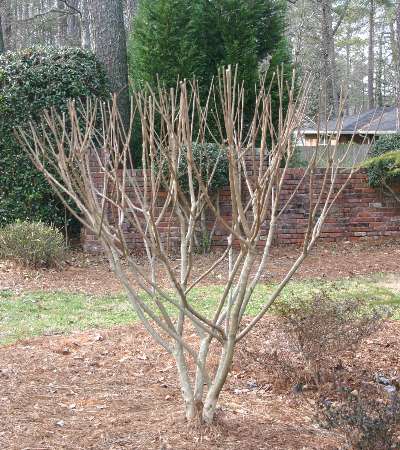
Our crews are also out trimming crape myrtles and cutting back roses, perennials, and grasses, so please let us know if you are not already on a regular schedule for these chores.

My official prediction: Regardless of what the weather is doing, Spring will begin March 20. I don’t think I can go wrong with that one.


Our Annual Mulch Special Continues Through February


Mulching your beds is absolutely the best thing you can do for the health of your soil and plants. Mulch reduces weeds, improves soil structure, conserves moisture, protects plants from extreme cold and summer heat, and gives your beds a neat appearance.

How much do you need? We recommend adding 2” to existing mulch or 3” to unmulched areas. A 2 cu ft bag will cover about 10 sq ft 2” deep or 7 sq ft 3” deep.

Take advantage now! 
Mention our newsletter for 20% off normal prices.

DISCOUNTED PRICE
Hardwood: $5.00 per 2 cu ft bag
Dark brown, enriches soil as it decomposes

Cedar: $5.85 per 2 cu ft bag
Great cedar smell, lighter color, lasts longer

Red or Black Mulch: $5.60 per 2 cu ft bag
For a decorative look

Prices include delivery and installation; extra charges may apply for weeding or leaf clean ups if needed.


Winter To-Do List


February is the month to transplant trees, shrubs, and many perennials. If you have something that doesn’t quite fit and has not been in the ground too many years, now is the time to find it a new home. Try to keep as much soil around the root ball as you can and water with root stimulator and liquid fish/seaweed emulsion to help the plant survive.

While trees are still void of foliage, prune to remove mistletoe, low limbs, and perform corrective pruning for crossed limbs, weak forks, and other potential hazards. It is much easier to see what needs to be done when the leaves are off.

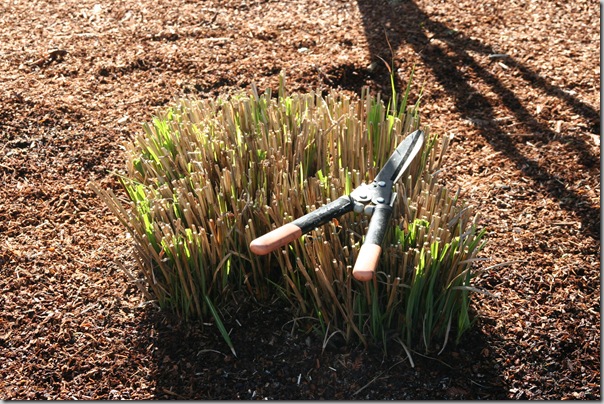
Cut back ornamental fountain grasses, roses, and groundcovers such as liriope and Asian jasmine this month. We are strongly recommending that everyone have their liriope (monkey grass) cut back every year. There is a fungal crown rot that is infecting liriope throughout the area. It is a serious disease that will slowly kill out large patches of your bed and has no practical chemical control. Cutting the plant back in late winter is one of the recommended preventative measures along with avoiding too much water.

This is also the time for  severe pruning of overgrown shrubs, or shall we say perhaps a shrub that may not have been planted in the best location? Regardless, you can cut many shrubs back to wood now with a good chance they will leaf back out in spring.

Veggie gardeners have a lot on their plate this month. It is time to plant many cool weather leafy and root vegetables, including onions, carrots, kale, peas, broccoli, collards and most all greens, and even lettuce. You may still have to cover tender new plants a few times, but all of these are at their best before temperatures get hot.


Early Bloomers


With a mild winter like we have had so far, it’s easy to start getting spring fever a little early. Some of our plants get it too, and there are several that will start blooming in the next few weeks. Some of these are old-timey garden favorites and well worth considering for your yard. These plants aren’t just helping to brighten our winter days with color. They also provide much needed early forage for  the honey bee and other wildlife.

Flowering quince, Chaenomeles japonica,  is a rather non-descript shrub in the summer, best suited for the back of the bed or tucked in with other evergreen shrubs. But in February it is spectacular in pinks, whites, or reds.

Forsythia, Forsythia intermedia spectablis, is the arching shrub of bright yellow that you may even see at old abandoned homesites.

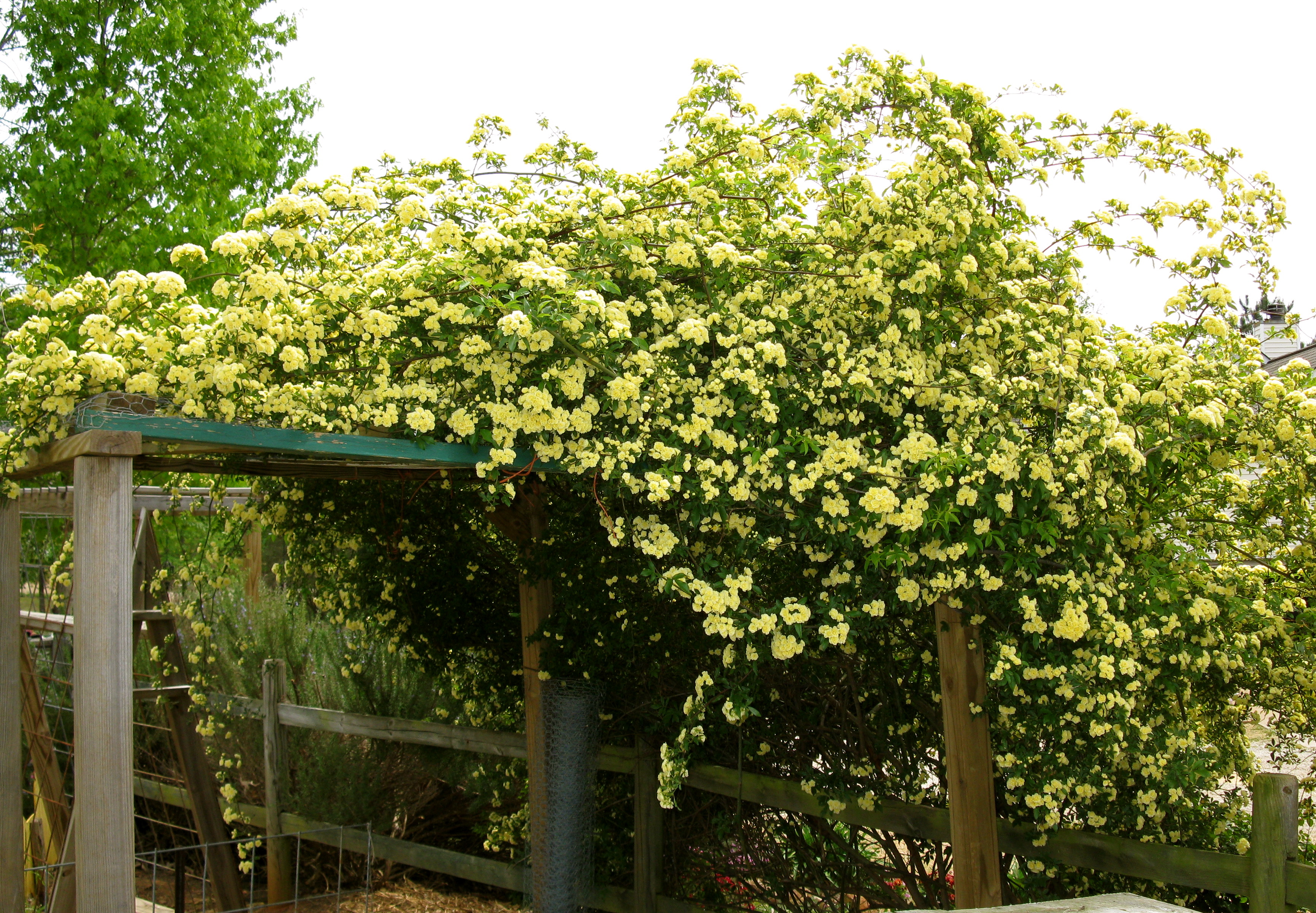
Not to be confused with forsythia is Lady Banks rose, Rosa banksiae. It is equally brilliant but needs a large space or pergola to climb over, and usually blooms a little later. White varieties are available too.

Not as showy as some but well worth having in your shade garden is the Leatherleaf mahonia, Mahonia bealei. These bloom in cluster of yellow in Jan. — Feb and form grape-like clusters of blue fruits, a favorite food of the cedar waxwing. The coarsely toothed bluish green foliage is interesting year-round.


Down a little lower to ground, daffodils, jonquils, and paper whites are emerging, and some of the earlier types will be in bloom shortly. Do you have a few sprinkled in your beds?


The winter flowering honeysuckle Lonicera fragrantissima, is a shrub form of the honeysuckle family that is desirable for its fragrance, and bees love it.


Winter flowering jasmine, Jasminum nudiflorum, is a low sprawling shrub with fragrant yellow flowers,  and like lonicera, it has attractive foliage during summer as well.

Several of our fruit trees will bloom in February, but my favorite is the native wild plum, Prunus texana or Prunus Mexicana. They are covered with creamy white blooms that fill the entire yard with sweet fragrance, produce fruit for wildlife and jelly making, and are tough as nails to boot. What more can a Texas gardener ask for?


February Chores


  • Cut back Asian jasmine, liriope, and roses
  • Treat crape myrtles with dormant oil for bark scale
  • Make major pruning changes to overgrown shrubs
  • Prune low limbs on trees
  • Prune dormant perennials and fountain grasses
  • Plant and transplant trees and shrubs
  • Apply pre-emergent and broadleaf herbicides
  • Change water and clean water gardens and koi ponds


Our goal is to fulfill the needs of the customer by providing timely, quality services and products.
Thanks for your business!

Thursday, October 9, 2014

Fall Lawn Treatments- The Most Important Application of the Year

It's not too late to schedule the most important lawn application of the year!

If you are on our regular lawn application program you will be receiving an application of pre-emergent weed control in September-October.

This is the most important lawn application of the year! Winter weeds begin germinating in September and October, and depending on weather conditions may not be noticeable until spring. But if you want the best chance of reducing or eliminating those unsightly weeds you see in March, you must treat the seeds now!

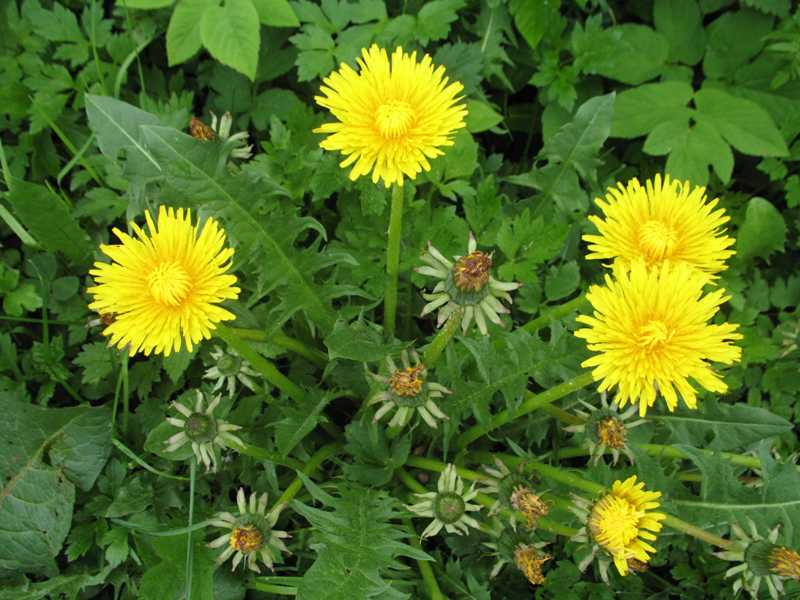
Dandelions, thistles, henbit, chickweed, oxalis, rescue grass, and poa annua are the biggest culprits in our spring gallery of weed problems, and most of these seeds will start sprouting when soil temperatures at the surface drop below 70 degrees. It doesn’t take too many days of cool cloudy weather to achieve this, so timing is critical.

Pre-emergents never provide 100% control, but they will make a big difference. Pre-emergents work by creating a chemical barrier in the soil that kills the seedling as it starts to emerge. This application may be combined with a broadleaf weed post emergent control to kill any that have already sprouted. Heavy rains or wet winters may dilute or move the chemical barrier deeper in the soil sometimes reducing effectiveness.
Don't let those pesky weeds get the drop on you!

Our Fall application also includes fertilizers to get your lawn ready for dormancy. Nitrogen helps thicken the lawn and smother weeds, and potassium builds stronger root systems to help your lawn through hard freezes and promote early green-up in spring.

Call us today if you would like to schedule a fall application for your lawn. (817)461-4000

Friday, November 1, 2013

Pleasant Fall Days and Holidays Ahead

Our fall weather is really just getting started. We may see a freeze by around the end of the month, but we should also see a lot more mild weather in the next 2 months. The rains have been great, and maybe they will continue and get our lakes out of the drought situation.

Fire ants are extremely active this time of year, foraging for food to last through winter. This is the ideal time to apply bait products. You will see new mounds pop up after every rain. Feeed your ants. Feed them!

Gardeners look to the change of seasons as a chance to plant pansies, kale, and other cool season plants that we can’t use during our hot summers.

There are still lots of chores to do — replacing plants, prepping veggie gardens, mulching beds, trimming trees, and raking leaves. And we have splendid weather for doing our outdoor chores. But if you aren’t big on chores, remember that’s what we are here for! So dig this fall weather and leave the real diggin’ to us.

The Autumn Blaze Maple - One of few maples adapted to our area

Tuesday, September 10, 2013

Ryegrass Season Starts in September

Over-seeding with ryegrass for the winter is a popular practice that benefits your lawn and sets your home or business apart from the crowd.

Over-seeded lawns have fewer winter weed issues as weed seeds have a difficult time germinating in the thick green cover provided by healthy turf. You might enjoy the fact that winter normally brings enough rainfall to keep your rye green with little or no supplemental watering once established. A green winter lawn also creates a nice foreground or background for early spring flowers such as daffodils, dogwoods, Mexican plums, azaleas, and spiraeas. Even Christmas lighting is more attractive when framed by lush green grass instead of dormant brown lawn.

There are 2 primary types of rye seed available, annual and perennial.

Annual rye seed is the one most commonly used but will need to be mowed every week in the spring as its rate of growth is quite fast. Perennial rye is more refined, with a darker green color and slower rate of growth, but sometimes is more difficult to get it to germinate. In our area the term perennial is not accurate in regards to rye, as most ryegrasses burn out by June. In shady areas or if we have prolonged cool, wet weather into the summer, ryegrass may persist longer.

The normal preparation for over seeding is to mow the lawn a few notches lower and rake or bag the clippings during the last half of September through October. This allows the seed to make better contact with the ground and improves germination. Depending on rainfall, the seed should be watered at least twice a week until it is up and growing. Once it is up, mowing requirements will vary depending on the weather and type of seed used. Mowing once every 14 days is usually the norm. Light fertilizing in December and February will really enhance the appearance, especially if we are having a dry winter.

Call us for a free quote if you would like a lush green winter lawn this year.


Late Summer Lawn Care

Last month we reminded you that grub worms are most vulnerable in August and that is an optimal time to treat. Well, we have seen several infestations, so you may want to consider treating now while the window is still open.

As evenings start to cool in late September and on through November, watch for irregular circular brown spots in St. Augustine during rainy weather. Brown patch is a common fungus that can do severe damage to your lawn going into winter. In fact, since take-all patch also becomes active in fall, you should consider a preventative fungicide application. We have professional products that are labeled for both problems, and it is much better to treat proactively. Once take-all patch has infected the roots, there is virtually no way to save the lawn.

Spurge is a flat broadleaf weed that sprouts in July-August after a good rain. Fast growing and difficult to control, this is the dominant weed problem we are seeing at this time. Your next application will contain a broadleaf spray to help control this if you have any in your lawn.

One reason that late summer weeds like spurge are hard to control is that most herbicides will damage the lawn in hot weather. Celsius or similar sulfonylureas are about the only option for weed control with minimal turf stress.

Reliving the 70s with a little help from his spurge

Planning For Fall Projects

Every year we like to remind customers that Fall is an excellent time for landscape improvements.

Everyone gets spring fever and enjoys freshening up their yard in spring, but well informed gardeners know that Fall is really the best season for planting most of our landscape ornamentals. Trees, shrubs, and perennials that are planted in September through December get to take advantage of our traditionally mild temperatures and regular rains.

Plants that go in the ground in the Fall have reduced heat stress now and are better equipped to handle the inevitable dry conditions of next summer. Although most plants will show little or no top growth during the winter, it’s what is going on in the ground that counts. Root systems thrive in our mild Fall weather and grow vigorously all winter, giving you bigger, healthier plants next year.

Use these hot days of August to make plans for your fall landscape projects.


August Lawn Chores


  • Mow weekly and do not bag the clippings

  • Hand water newly planted areas and trees

  • Watch for dry areas and signs of chinch bugs in turf

  • Check and adjust sprinkler systems (don't forget to mind your city's water restrictions!)

  • Mulch planting beds

  • Treat for grub worms

Fresh mulch and adequate water keeping it green!

August- The Toughest Month

Sun worshippers may love it, but gardeners know the next 30 days will likely be the hardest part of our season.

Barring hurricane spawned rain events, August is traditionally our hottest, driest month. So, repeat after me, the Texas gardener’s mantra: Mulch is good, I love my water hose. Mulch is good, I love my water hose…

We actually had a great week of rain mid-July and not a lot of extreme heat so far. Just keep an eye on tender plants like hydrangeas or newly planted trees and shrubs, and check your sprinklers regularly for clogged nozzles, worn out rotors, low heads, heads blocked by shrubs, etc. It only takes a week or so to do serious damage to lawns and landscapes that are not receiving enough water, so stay alert!

You can't beat old fashion hand watering!

It's Time To Treat For Grub Worms

Don’t forget! August is the time of year to treat for grub worms.

Most of our grub damage is brought on by the larva of the June beetle. Peak flights of the June beetle occur in mid-May to mid-June and eggs hatch about 1 month later. Grubs are easiest to kill at this early stage of their growth when they are closer to the soil surface.

Not every yard will have a large enough population to cause damage, but if you have had one in the past you may be in a location that is prone to infestation.

Lawns close to street lights where June bugs gather are often hit hard, and ironically, they often attack well watered lush lawns when soil is soft and food (roots) is abundant.

They will do serious damage to turf over the next two months, so treat now to avoid losing your lawn.

Prices start at just $75.00 for lawns up to 4,000 sq. ft., with up to 50% off for customers that are already on our 7 step chemical program!

An actual soil sample from one of our lawns.
This many grubs in 1 sq. ft. of soil is enough to do serious damage.

Fall Pre-emergent and Fertilizer - The Most Important Application

If you are on our regular lawn application program you will be receiving an application of pre-emergent weed control in September— October. If you are not on our full service program, call today to schedule.

This is the most important lawn application of the year!

Winter weeds begin germinating in September and October, and depending on weather conditions may not be noticeable until spring. But if you want the best chance of reducing or eliminating those unsightly weeds you see in March, you must treat the seeds now!

Dandelions, thistles, henbit, chickweed, oxalis, rescue grass, and poa annua are the biggest culprits in our spring gallery of weed problems, and most of these seeds will start sprouting when soil temperatures at the surface drop below 70 degrees. It doesn’t take too many days of cool cloudy weather to achieve this, so timing is critical.

Pre-emergents rarely offer 100% control, but they will make a big difference. Pre-emergents work by creating a chemical barrier in the soil that kills the seedling as it starts to emerge. This application is normally combined with a broadleaf weed post-emergent control to kill any that have already sprouted. Heavy rains or wet winters may dilute or move the chemical barrier deeper in the soil sometimes reducing effectiveness.

Our fall application also includes fertilizers to get your lawn ready for dormancy. Nitrogen helps thicken the lawn and smother weeds, and potassium builds stronger root systems to help your lawn through hard freezes and promote early green-up in spring.